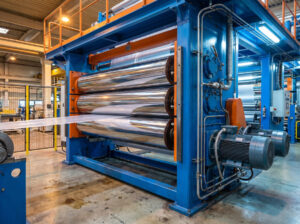
Certified pressure equipment for safe, compliant operation.
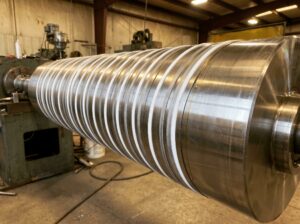
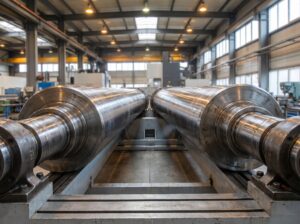
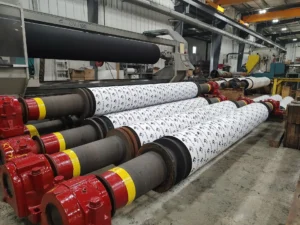
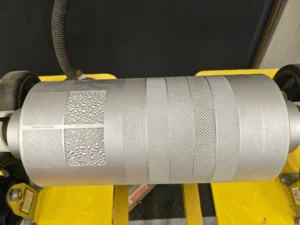
When rolls or drums operate under internal pressure, safety and compliance are paramount. USA Rolls designs and manufactures pressure equipment according to the ASME Boiler and Pressure Vessel Code (BPVC). ASME Code Certified Rolls and Drums include documentation, inspection and testing to ensure safe operation.
When to choose this roll
- When your process uses steam, oil or other fluids under pressure above 15 psig, or when required by applicable code or jurisdiction.
- When regulatory authorities require ASME compliance.
- When operating in hazardous environments (chemical, oil & gas, energy) where pressure equipment safety is critical.
- When you need documented design calculations, material traceability and third-party inspection.
How it works
Certified rolls and drums are designed using code calculations for wall thickness, allowable stress and corrosion allowance. Materials are selected and tested according to code specifications. During fabrication, welds are performed by qualified welders and inspected by non-destructive testing (NDT). Hydrostatic or pneumatic testing verifies integrity, and documentation is compiled to demonstrate compliance.
Where it pays off / Applications
Chemical reactors, oil and gas processing, power generation, asphalt and rubber mixing, and other processes requiring heated or pressurized rolls or drums.
Specifications / Capabilities
Design codes: ASME Section VIII Division 1 or 2, as applicable.
Diameter: up to 52 in.
Length: up to 240 in.
Weight: up to 15,000 lbs.
Pressure ratings: designed according to customer specifications, operating conditions and applicable code requirements.
Materials: carbon steel, stainless steel, alloy steels.
Testing: NDT (UT, RT, PT), hydrostatic/pneumatic pressure tests.
Compliance & options
Documentation packages can include ASME Manufacturer’s Data Reports, material test reports (MTRs/CMTRs), welding procedure qualifications, welder qualifications, NDT reports and Authorized Inspector or third-party inspection reports, as applicable. Options include insulation jackets, heating/cooling jackets, agitators and instrumentation ports.